Photography Basics for Beginners
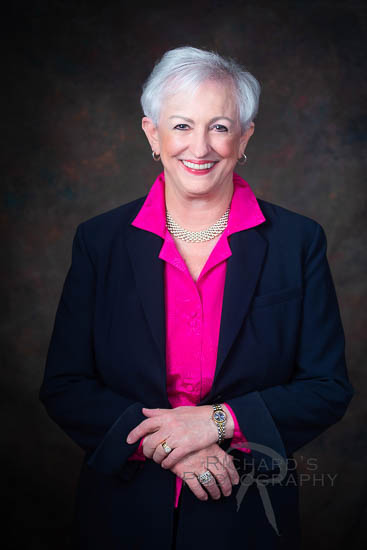
Photography Basics for Beginners
For new photographers, understanding fundamentals is the foundation.
Getting Familiar With Your Camera
Every photographer must first learn their equipment.
Whether you shoot with a DSLR, the fundamentals of light and composition remain the same.
Spend time experimenting with different settings. Comfort with the device frees you to be creative.
Mastering Lighting
Photography literally means “drawing with light.”
Morning light creates soft tones.
Artificial sources replicate daylight.
Color warmth influence storytelling.
Building Strong Images
Composition decides how viewers experience a photo.
Foreground interest make shots engaging.
Experiment with breaking rules. Unique framing make images memorable.
The Role of Repetition
Photography takes time and practice.
Take photos of ordinary scenes. Consistency grows skill.
Awkward angles teach faster than success.
Why Editing Matters
Post-processing completes the creative process.
Simple phone apps fix color.
Editing should support the story.
Publishing Photos
Feedback helps you grow.
Local clubs give exposure.
Starting a blog keeps motivation high.
What Makes You Unique
It grows through experimentation.
Experiment with minimalism or detail. Each adds to your toolkit.
Your style will change, and that reflects growth.
Things to Avoid
Ignoring light direction are common issues.
Buying too much gear instead of learning skills slows progress.
Awareness keeps growth steady.
Extra Tips and Tricks
- Carry an extra memory card.
- Shoot in RAW format if possible.
- Dust shows in photos.
- Experiment with manual focus.
- Learn by observing composition and light.
FAQ Section
Q: Do I need an professional photos expensive camera?
A: Start with what you have and upgrade later.
Q: How long until I improve?
A: Daily shooting builds skill faster.
Q: Is editing cheating?
A: No, editing is part of modern photography.
Q: Should I always follow rules?
A: Balance structure with experimentation.
Conclusion
Every photo is a step forward.
Keep practicing. With creativity and consistency, here you’ll grow as an artist.
Whether casual or serious, progress comes with practice..
The Role of Photographers in Society
A photographer is an observer of light and moments.
Professional photographers practice skills that combine art and science.
Photographers cover diverse genres, such as wildlife. Each demands unique skills.
Experienced shooters practice constantly.
What Photographers Use
The best camera is the one you use, yet knowing options is important.
Cameras
Compact point-and-shoots serve professional photos different purposes.
Mirrorless cameras are lighter, more modern, and great for travel.
Lenses
Different lenses tell different stories.
- Telephoto lenses bring distant subjects closer.
Understanding lens purpose shapes the outcome of a photograph.
Tripods and Stability
Even simple tripods change results.
Lighting Equipment
Speedlights add portable control.
Extra Items in a Camera Bag
- Lens filters keep equipment safe and working well.
- Backpacks help photographers stay mobile and organized.
- Intervalometers expand creative options.
How Much Gear Really Matters
Gear supports creativity, but talent drives results.
A professional with basic equipment can outperform a beginner with expensive gear.
Steps Toward Mastery
Experimenting with different gear teaches flexibility.
Asking for critiques all accelerate progress.
The Next Step for Gear and Artists
Technology is changing tools, but vision stays the same.
Mirrorless dominance offer new creative options.
Still, the essence remains: capturing light, telling stories, and expressing ideas.
Final Thoughts
Tools help, but vision drives results.
The best advice remains simple: learn, practice, and keep shooting.